
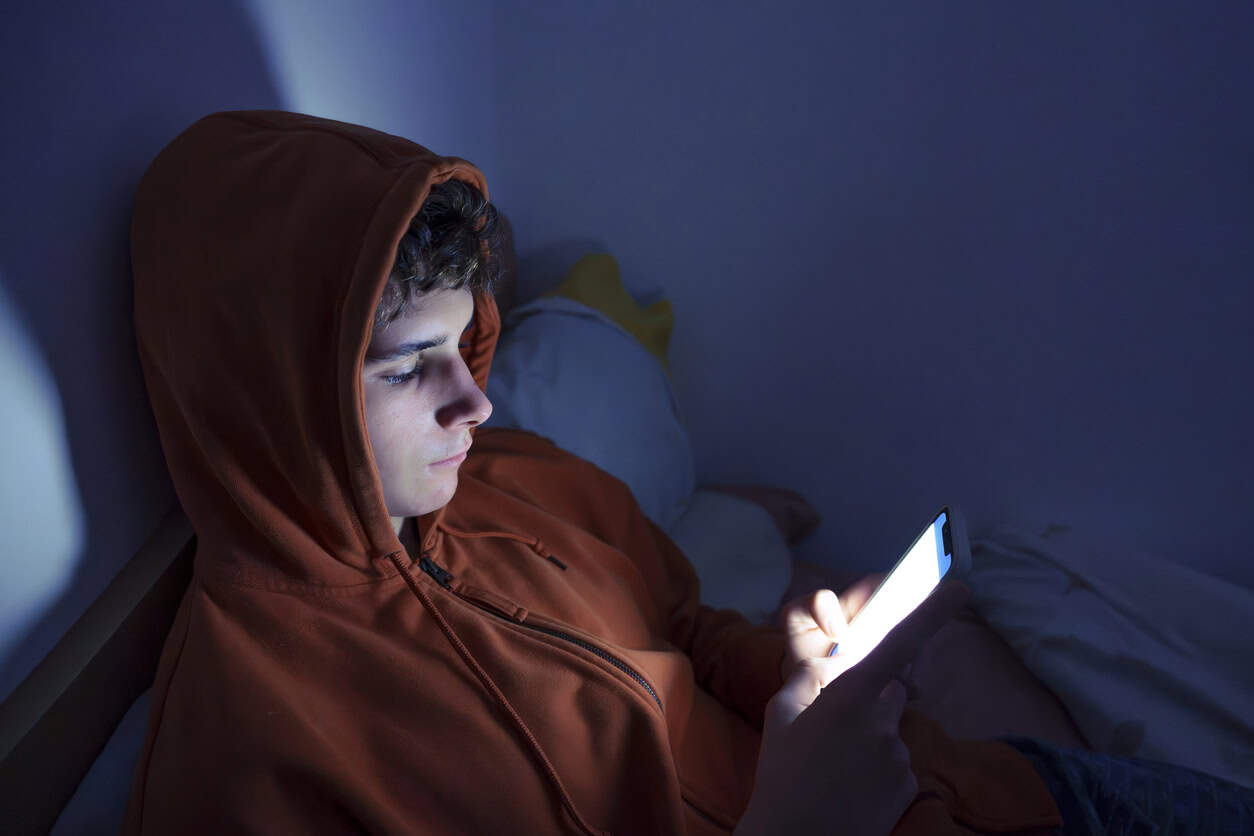
We have now entered into a new digital paradigm where AI (Artificial Intelligence) is capable of engaging in human-like conversations. Teen are now turning to ChatGPT for therapy.
In the past few years, artificial intelligence has gone from futuristic novelty to daily companion. Teens, especially digital natives raised on phones and social media, have started using ChatGPT as a kind of therapist-on-demand — a place to vent, seek advice, or find “someone” to talk to when no one else is listening.
It sounds innovative, even comforting. But beneath the convenience lies a disturbing trend. Adolescents; some anxious, depressed, or even suicidal are confiding in a machine that was never designed to understand, diagnose, or safeguard human emotion. Should we be concerned?
Yes, we should be concerned.
The Allure: Why Teens Are Talking to a Bot
At first glance, it’s easy to see why ChatGPT has become the go-to “therapist” for teens. It’s always available, it listens without judgment, it’s free and it responds instantly.
For a generation facing rising mental health struggles, overbooked therapists, and long waiting lists, ChatGPT feels like an accessible alternative. Teens can pour their hearts out at 2 a.m. and receive what feels like empathy in return.
But here’s the problem; it’s not empathy. It’s programming. An algorithm predicting the next most likely word to keep a conversation going. It mimics understanding, but it not understanding. A bot cannot feel. That distinction matters when a young person’s well-being is on the line.
The Illusion of Connection
When a teen tells ChatGPT they feel hopeless, lonely or worthless, the bot might generate a comforting message such as, “I’m really sorry you’re feeling that way. You’re not alone.” Those words can sound soothing but they are hollow. There’s no emotional reciprocity, no real presence behind the text. The “listener” doesn’t care — it can’t care.
Developmentally, adolescents crave connection, validation and understanding. They are drawn to places that make them feel heard. ChatGPT, with its polished tone and instant responses, gives the illusion of safety and intimacy — but without the accountability, human warmth and training of a therapist that actual support requires.
What happens when a teen begins to confide more in a machine than in real people? They start building emotional attachments to something incapable of returning them. The result ends up being the opposite of healing; it’s emotional isolation disguised as connection.
The Dangers Of ChatGPT For Therapy
1. No training. No Oversight. No Ethics.
Let’s be blunt: ChatGPT isn’t a therapist. It hasn’t gone to school, earned a license, or taken an ethics course. It doesn’t assess risk, watch for warning signs, or know when to call for help.
It’s a pattern-recognition system trained to imitate language — not a qualified mental health professional. Expecting it to act like one is like asking Siri to perform heart surgery because it can explain the procedure.
2. Misinformation and “Hallucinations”
AI is notorious for what researchers call “hallucinations” — confidently presenting false or misleading information. That’s alarming enough in homework help, but in mental health conversations, misinformation can be dangerous.
A teen expressing thoughts of self-harm might receive responses that unintentionally normalize or minimize their distress. Worse, studies have shown that some chatbots have generated harmful or triggering advice when presented with suicidal ideation or disordered eating prompts.
There are no guardrails, no fact-checkers, no ethical accountability — just code.
3. False Comfort Delays Real Help
There are damaging outcomes from using ChatGPT as therapy. It creates the illusion that help is happening — when it’s not.
A teen who feels “better” after a late-night conversation with a chatbot may never reach out to a parent, teacher or counselor. That temporary relief can mask deeper suffering, therefore delaying or preventing genuine intervention.
4. Dependency and Emotional Erosion
Many teens using AI for comfort begin to depend on it. They consult ChatGPT about how to handle emotions, conflicts, relationships and even self-worth. Over time, this fosters dependency and weakens critical coping skills.
Instead of learning to tolerate discomfort, talk to people or navigate conflict, teens may run to ChatGPT that always responds with calm, predictable reassurance. It’s emotional outsourcing. This teaches avoidance, not resilience.
5. Privacy Isn’t Guaranteed
Every conversation with ChatGPT is stored and used to improve the system. That means when a teen shares something deeply personal, it becomes part of an invisible data stream.
ChatGPT for therapy has no confidentiality agreement, no HIPAA protection and no therapist-client privilege. It’s naïve to think private emotional disclosures to a corporation’s servers are safe or sacred.
6. A Digital Bandage on a Deeper Wound
The rise of AI “therapy” isn’t a sign of technological progress; it’s a symptom of a broken mental health system. Teens aren’t turning to ChatGPT because they love technology, they’re turning to it because they get immediate and free “help”.
Therapy is expensive. School counselors are overwhelmed. In many areas, there simply aren’t enough clinicians to meet demand. ChatGPT isn’t solving that problem — it’s masking it.
It’s giving young people a digital pacifier when what they truly need is human care, connection, and consistent access to real mental health support.
7. The Human Element Matters
Therapy is not just about words. It’s about tone, presence, intuition, body language, empathy, trust and relationship.
AI can simulate caring language, but it cannot feel compassion. It cannot read the tremor in a teen’s voice or the vacant look in their eyes. It cannot sense danger or know when someone is about to give up.
So, Should We Be Concerned?
Yes. And not because AI is inherently bad, but because we’re letting it creep into places where it doesn’t belong. ChatGPT was built to process information, not emotion. It was designed to assist, not to heal.
We are allowing machines to fill the role of counselor, confidant and comforter. If this trend continues, we risk raising a generation that confuses artificial empathy with real connection, that learns to talk to machines instead of people, resulting in a disconnected world, increasing mental health challenges.
What We Need Instead
We need more affordable, accessible human mental health care. We need schools and communities investing in counseling programs, crisis response and prevention efforts. We need to teach emotional literacy, coping skills, and the value of vulnerability. We need to remind teens that ChatGPT is not human and not therapy.
Healing requires human hands, human hearts, and human understanding.
At Therapeutic Educational Consulting, we guide, support and recommend placement options for treatment centers, nature-based therapy, therapeutic boarding schools, struggling-to-launch programs and alternative education for adolescents and young adults.
Schedule a no-cost discovery call with Rae Guyer, your therapeutic consultant to discuss options.
© Therapeutic Educational Consulting
Image credit, Javier Zayaz


