
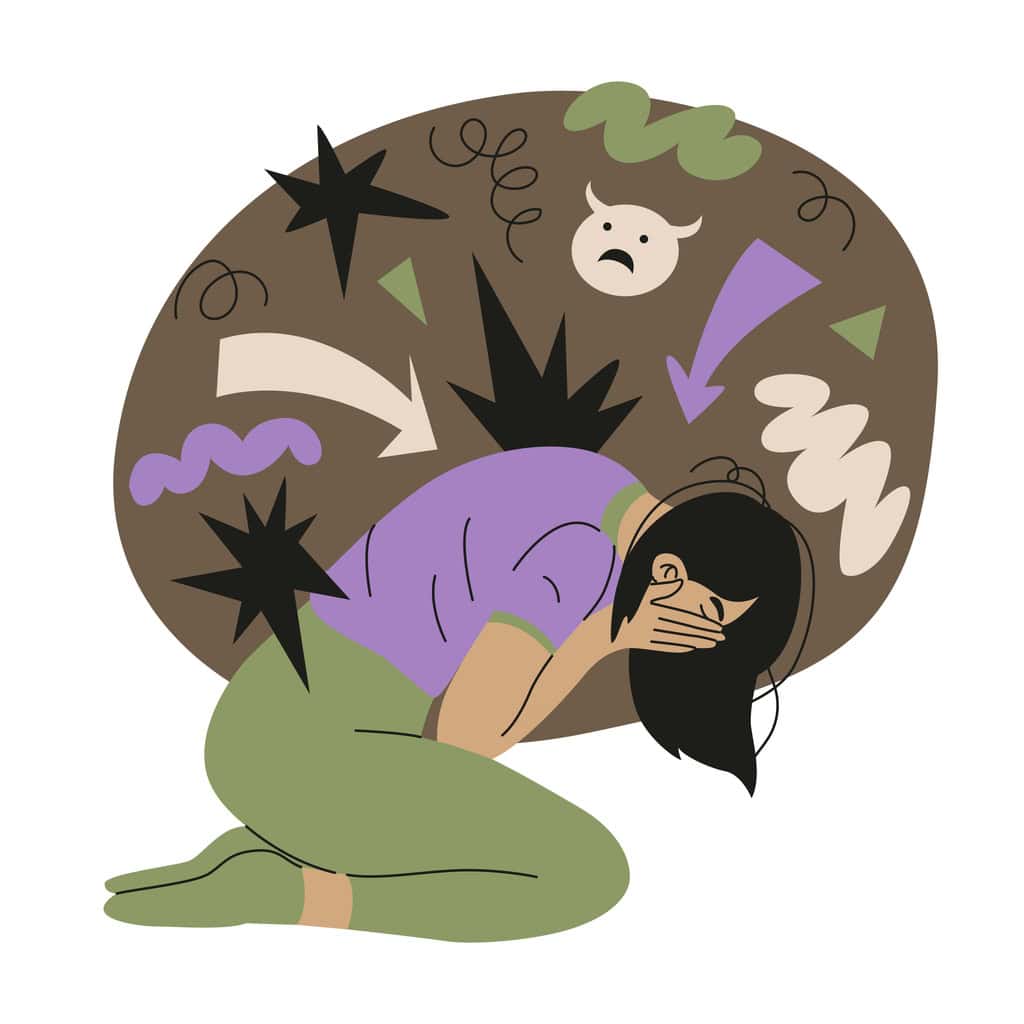
Everyone experiences anxiety at times. It’s a normal human response to stress, uncertainty, or perceived danger. Daily life includes stressors, triggers and anxious feelings. In small doses, anxiety can even be helpful—it can motivate us to prepare, stay alert, and protect ourselves from risk. When anxiety becomes persistent, overwhelming, or starts interfering with everyday life, it may be more than ordinary stress. At that point, it could signal that you may have an anxiety disorder.
The most important way to recognize a possible anxiety disorder is by noticing how often the anxiety shows up and how strongly it affects you. Occasional worry about real-life challenges is normal. However, if anxious thoughts are happening most days, feel difficult to control, or seem out of proportion to the situation, it may indicate something deeper. Many people with anxiety disorders describe their minds as constantly scanning for danger or imagining worst-case scenarios, even when things are relatively calm. This ongoing mental tension can make it impossible to relax or concentrate, and will affect your daily activities.
According to the National Institute of Mental Health, anxiety disorders are among the most common mental health conditions in the United States. Their resource page explains how anxiety can affect both the mind and body and outlines different types of anxiety disorders. You can learn more here: https://www.nimh.nih.gov/health/topics/anxiety-disorders
Another key indicator is how anxiety affects your body. Anxiety is not just a mental experience;it is also deeply physical. When the brain senses threat, it activates the body’s fight-or-flight response. This system prepares you to react quickly by releasing stress hormones and increasing heart rate and alertness. For people with anxiety disorders, this physiological response can become activated too easily or too frequently.
Common physical symptoms may include:
- Racing heart
- Tight chest
- Restlessness
- Muscle tension
- Headaches
- Nausea
- Sweating
- Difficulty sleeping
In addition, there can be a feeling as if you are “jumping out of your skin”. The Anxiety & Depression Association of America explains that physical symptoms are often one of the first ways people notice anxiety is becoming a problem. Their overview of symptoms and treatment options can be found here: https://adaa.org/understanding-anxiety
You may also notice behavioral changes when anxiety starts to take over. Avoidance can bring short-term relief, but it often strengthens anxiety over time. When the brain repeatedly avoids something, it begins to interpret that situation as dangerous—even if it is not. This reinforces the anxiety cycle and can gradually shrink a person’s comfort zone.
Behavioral signs of an anxiety disorder:
- Avoiding gatherings
- Avoiding meetings or speaking in public
- Avoiding driving or traveling
- Avoiding crowded spaces
- Staying home more often to feel “safe”
- Procrastinating tasks
- Feeling overwhelmed with tasks that were easy in the past
Everyone worries occasionally, but anxiety disorders often involve worry that feels relentless or impossible to turn off. You might find your thoughts looping late at night, replaying conversations, imagining future problems, or analyzing every possible outcome. Even when you logically know that things will probably be okay, your nervous system may still react as if something is wrong. This disconnect between rational thinking and emotional response can feel confusing and exhausting.
If anxiety is starting to affect multiple areas of your life, it can be helpful to review trusted screening tools. The Mental Health America offers a free, evidence-based online anxiety screening that many clinicians recommend as a first step in understanding symptoms:
https://screening.mhanational.org/screening-tools/anxiety/
There are also different types of anxiety disorders
- Generalized anxiety disorder (GAD) often involves chronic, excessive worry about many areas of life such as health, finances, family, work or school.
- Panic disorder is characterized by sudden episodes of intense fear called panic attacks, which can include symptoms like rapid heartbeat, shortness of breath, dizziness, or feeling like you might lose control.
- Social anxiety disorder involves intense fear of judgment or embarrassment in social situations.
- A phobia is an intense and persistent fear of a specific object, situation, or activity that poses little or no real danger.
- Separation anxiety is an anxiety condition in which a person experiences intense fear or distress when separated from a caregiver, loved one, or familiar environment, often leading to avoidance or clingy behavior.
- The Cleveland Clinic provides a clear breakdown of different anxiety disorders, symptoms, and treatment options here: https://my.clevelandclinic.org/health/diseases/9536-anxiety-disorders
It’s also important to understand that anxiety disorders rarely have a single cause. They usually develop from a combination of factors. Genetics can play a role in a way that biologically you can be more sensitive to stress. Brain chemistry and nervous system functioning also influence how strongly someone reacts to perceived threats. Life experiences such as trauma, chronic stress, major life transitions, or ongoing pressure will further shape how anxiety develops.
It’s important to remember that only a qualified mental health professional can diagnose an anxiety disorder. Therapists, psychologists, and psychiatrists are trained to assess symptoms and determine whether anxiety meets clinical criteria. The American Psychological Association explains how psychologists diagnose and treat anxiety disorders here: https://www.apa.org/topics/anxiety
The encouraging news is that anxiety disorders are highly treatable.
Common treatments for an anxiety disorder include:
- Cognitive Behavioral Therapy (CBT) to change unhelpful thought patterns
- Exposure therapy to gradually reduce fear responses
- Mindfulness and nervous system regulation techniques
- Medication, when appropriate, to support brain chemistry
- Lifestyle changes such as improved sleep, exercise, and stress management
Most importantly, having an anxiety disorder does not mean something is “wrong” with you. Anxiety is fundamentally a protective system designed to keep us safe. In anxiety disorders, that system simply becomes overactive,
You are not alone in this experience. Anxiety disorders affect millions of people, and many find meaningful improvement once they understand what is happening and receive the right support. Recognizing the signs is the first step toward feeling more grounded, supported, and in control of your life again.
At Therapeutic Educational Consulting, we guide, support and recommend placement options for treatment centers, nature-based therapy, therapeutic boarding schools, struggling-to-launch programs and alternative education for adolescents and young adults.
Schedule a no-cost discovery call with Rae Guyer, your therapeutic consultant to discuss options.
© Therapeutic Educational Consulting
Image credit: Larisa Vladimirova


